
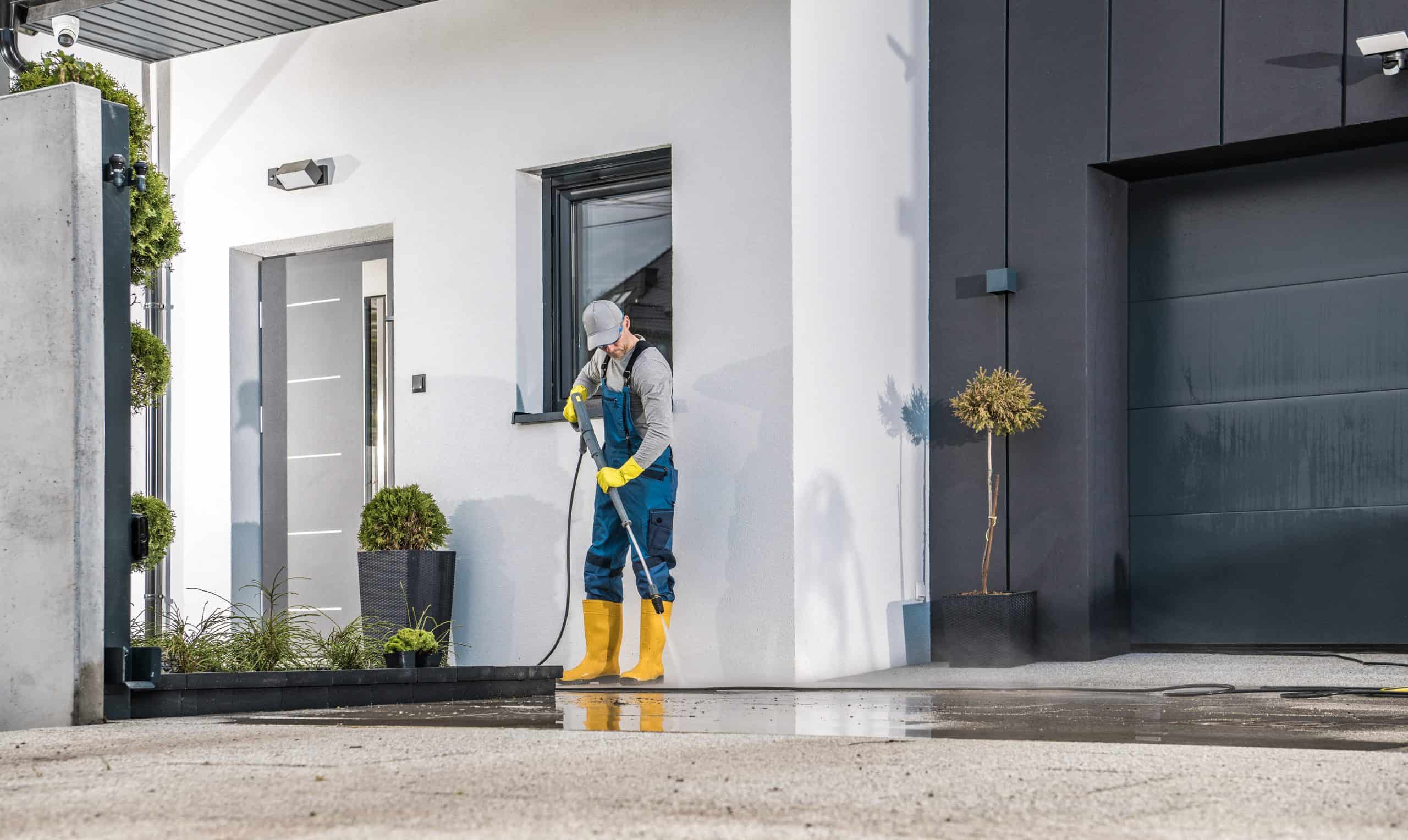
The black streaks on many Central Florida roofs are algae, not dirt. Commonly called roof algae, the most widespread culprit is a species named Gloeocapsa magma, and our warm, humid climate lets it spread easily. The right fix is gentle, low-pressure cleaning, because aggressive washing is one of the fastest ways to damage a shingle roof. This guide explains what causes the streaks, why pressure washing is the wrong tool for the job, and how a roof gets cleaned safely.
Key takeaways
- Black or dark brown streaks on a Florida roof are usually algae. The Asphalt Roofing Manufacturers Association (ARMA) identifies Gloeocapsa magma as probably the most prevalent species.
- Warm weather, high humidity, a long wet season, and shade create ideal growing conditions across Central Florida.
- ARMA advises against using a power washer or any brush or broom on a roof, and warns that high pressure is likely to damage asphalt roofing.
- Soft washing uses low pressure and a cleaning solution to lighten the streaks without scouring the shingles.
- Results are not permanent, so prevention and sensible timing matter as much as the cleaning itself.
- Roofs are slippery and dangerous to work on, which is why cleaning is a job for trained professionals.
What are the black streaks on my roof?
Algae spores travel through the air, land on roofs, and grow wherever moisture lingers. ARMA explains that natural pigments produced by these algae can make light-colored roofs gradually turn dark brown or black. Gloeocapsa magma is technically a cyanobacterium, but roofers and homeowners simply call the whole problem algae.
The streaks usually follow the path rainwater takes down the slope, which is why they often look like dark stripes running from the ridge toward the eaves. Shaded sections and north-facing slopes tend to show them first, because they stay damp the longest. Ordinary dirt rinses away with water. Algae stays put and keeps growing, which is why a roof that looks dirty after a few seasons often cannot be fixed with a garden hose.
Why Central Florida roofs get black streaks so often
- Warmth and humidity almost all year. Algae needs moisture and mild temperatures, and Florida supplies both for most of the calendar.
- A long wet season. According to the National Weather Service in Melbourne, the median start of the wet season in Orlando is May 27, and the median start of the dry season is October 15. That leaves roofs damp for a large part of every year.
- Shade and debris. Live oaks, palms, and neighboring trees keep slopes shaded, and leaves and pine needles hold moisture against the shingles.
- Light-colored roofs. Algae shows up more quickly on white and light gray shingles, though darker roofs can be affected too.
- Airborne spores. A neighboring roof with heavy growth can seed yours, which is one reason the problem tends to appear across whole streets and communities.
Is roof algae harmful, or just ugly?
For most roofs it is mainly an appearance problem, but that still matters. Dark streaks pull down curb appeal, can prompt notices in communities with exterior appearance standards, and can leave buyers with the impression that a home has been neglected. It is also worth knowing that streaks can distract from real roof problems. If you notice missing or curling shingles, bare patches where the granules have worn away, or stains on the ceilings inside, call a roofer. Those are roofing issues, not algae issues, and cleaning will not solve them.
Why you should not pressure wash a shingle roof
It is tempting to blast the streaks away, and that is exactly what causes damage. ARMA’s guidance says not to use a power washer or any type of brush or broom to clean algae from the roof surface. It warns that scrubbing can loosen and remove the granules and that high-pressure cleaning is likely to damage asphalt roofing.
The granules matter. They are the protective surface layer that shields the asphalt underneath from sunlight, so stripping them shortens the life of a roof. High-pressure water can also force moisture up under shingle edges and leave clean, uneven stripes that look worse than the original discoloration. For more on why method matters, read our guide to the science behind soft washing and our comparison of pressure washing and power washing.
How soft washing cleans a roof safely
Soft washing replaces force with chemistry. Instead of scouring the surface, a cleaning solution is applied at low pressure, left to work for a limited time, and then rinsed away gently. ARMA’s guidance describes a diluted bleach solution, which is a sodium hypochlorite solution, applied to the roof and rinsed after a short dwell time. It also notes that mixing directions vary among shingle manufacturers and that other chemicals or methods should be avoided without the manufacturer’s approval.
A professional soft wash generally follows this order:
- Inspect the roof. Check the material, the condition, the pitch, and any loose or damaged shingles before anything is applied.
- Protect the surroundings. Wet down landscaping, cover delicate items, and plan how runoff will be managed.
- Apply the solution at low pressure. The goal is even coverage without disturbing the granules.
- Let it work. Dwell time is monitored so the solution does its job without sitting too long.
- Rinse gently. Low-pressure water carries the solution and the dead growth off the roof.
- Check the results and the landscaping. A final walk-around confirms the roof is clean and the plants are rinsed.
Be realistic about the outcome. ARMA notes that the effectiveness of this kind of cleaning is only temporary and that discoloration may recur. How long a roof stays clean depends on shade, moisture, and how thoroughly the spores were cleared.
Why roof cleaning is not a do-it-yourself project
ARMA encourages the use of professionals for roof cleaning and warns that the cleaning process can make a roof slippery. Falls from roofs cause serious injuries every year, and a wet, treated surface at an angle is a bad place to work from a ladder. There is also the chemistry to consider. Solutions that are too strong can harm shingles, landscaping, and nearby surfaces, and solutions that are too weak simply waste the effort. If you want the roof cleaned, leave the climbing and the mixing to a crew that does it every week.
What about tile, metal, and other roof types?
This guide focuses on asphalt shingles, the most common roofing material in the country. Concrete tile and metal roofs are also common in Central Florida, and they are handled differently. Tile can be fragile to walk on, and metal roofs have their own finishes and sensitivities. Before anyone climbs up, it is worth confirming what your roof is made of and what its manufacturer recommends.
How to keep algae from coming back
- Trim overhanging branches. More sunlight and better airflow help the roof dry faster.
- Keep the roof and gutters clear of debris. Leaves and needles hold moisture against the shingles.
- Consider zinc or copper strips. Installed near the ridge by a roofer, they release metal ions with rainfall that discourage growth below them, although the area they protect is limited.
- Choose algae-resistant shingles when you replace the roof. ARMA notes these products are specifically designed to inhibit algae growth for extended periods of time.
- Clean on a sensible schedule. Roofs generally need attention far less often than siding. Many homeowners find that every few years is enough, depending on shade and moisture.
Roof stains and HOA rules in Central Florida
Many Central Florida communities have exterior appearance standards, and stained roofs are a common reason for notices. If you receive one, check your governing documents for what is required and how long you have to respond. A soft wash is a typical way to bring a roof back into compliance without risking damage. Our post on how HOA pressure washing can boost property value explains how regular exterior care protects the look of a whole community.
Frequently asked questions
Are the black streaks on my roof mold?
Most of the time they are algae, although mildew, moss, and lichen can also grow on roofs. A professional can identify what is growing and choose the right approach.
Can I clean my roof myself with bleach and a sprayer?
We do not recommend it. Roofs are slippery, ladders and slopes are dangerous, and the wrong mixture can damage shingles and landscaping. ARMA itself encourages the use of professionals.
Will cleaning my roof void the shingle warranty?
Warranty terms vary by manufacturer. Check your shingle manufacturer’s cleaning guidance and warranty before any work is done, because ARMA notes that other chemicals or methods should be avoided without the manufacturer’s approval.
How long do the results last?
ARMA says the effectiveness of cleaning is temporary and the discoloration may return. Shade, moisture, and spore exposure all affect how quickly.
Do you soft wash roofs in my area?
Roofs are part of the house washing we do across Central Florida, including Winter Garden, Ocoee, Clermont, Windermere, and Orlando.
Get a clean roof without the risk
Top Dawg Power Washing is locally owned and operated in Windermere, Florida. We use soft washing methods for exteriors because they protect your surfaces while removing the growth. Learn more about our residential power washing services, call 407-697-8603, or request a free estimate.